Access our comprehensive collection of research resources, application notes, and product documentation.
Minimal View
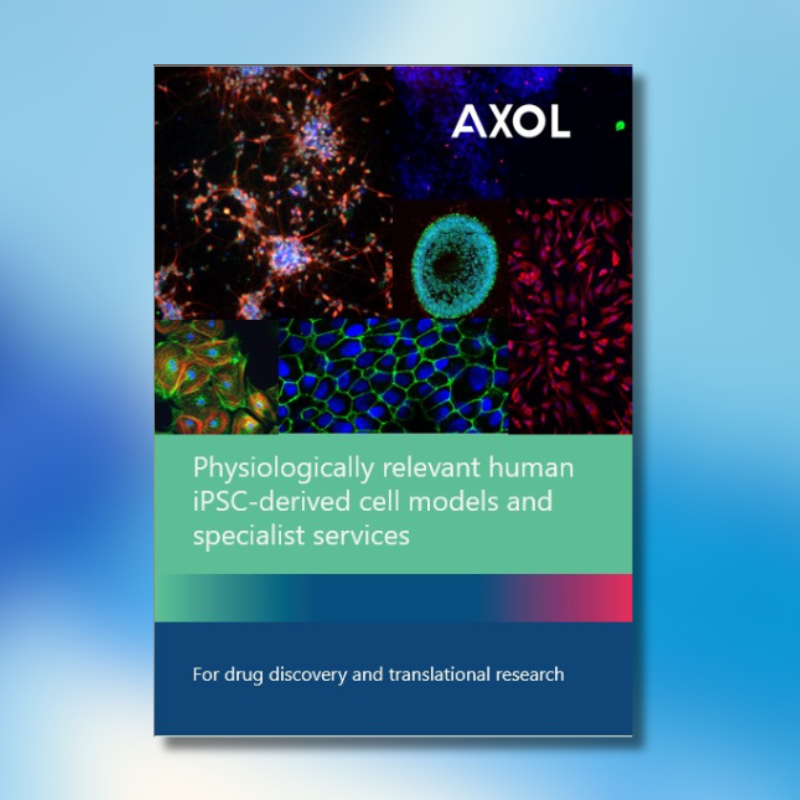
Physiologically relevant human iPSC-derived cell models and specialist services for drug discovery and translational research At Axol Bioscience, we provide...
Our new whitepaper describes how human iPSC‑derived retinal models enable mechanistic studies, toxicity assessment, and improved translational relevance in ophthalmology...
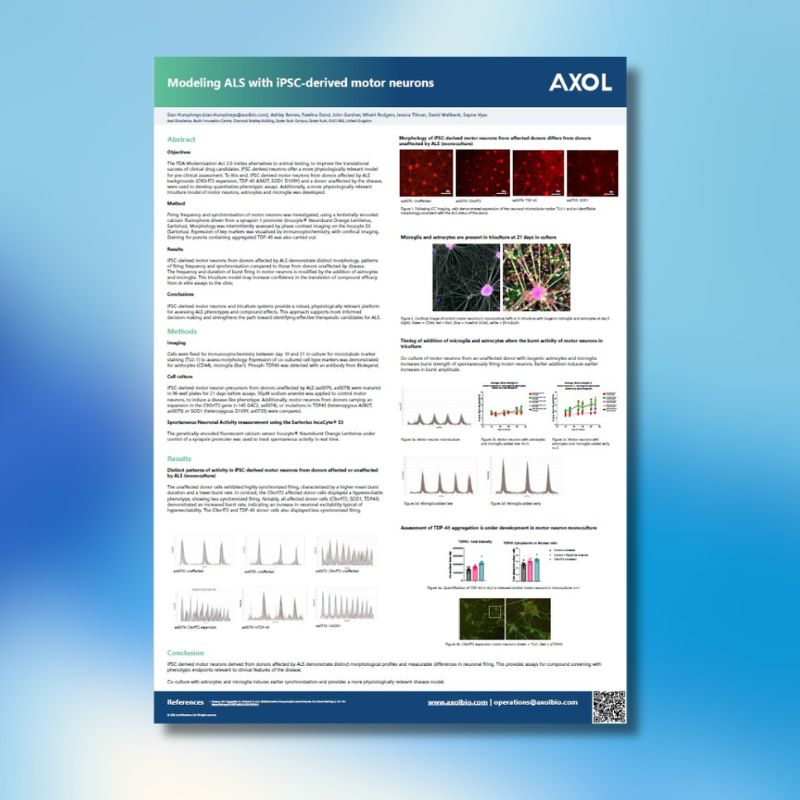
Learn how iPSC-derived motor neurons and triculture systems provide a robust, physiologically relevant platform for assessing ALS phenotypes and compound...
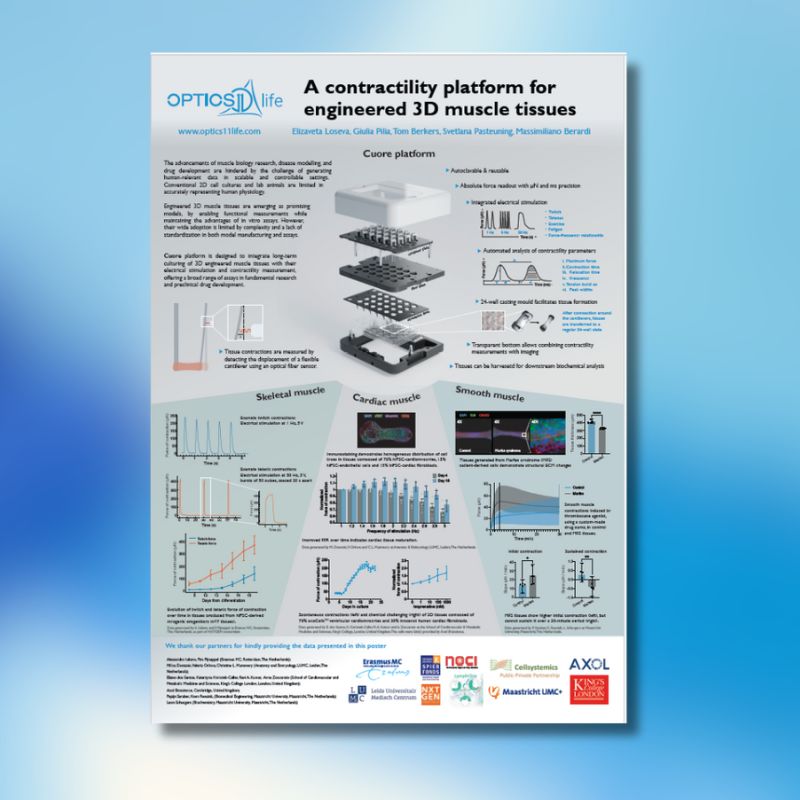
Explore our work in collaboration with Optics11 Life, showcasing our axoCells ventricular cardiomyocytes.
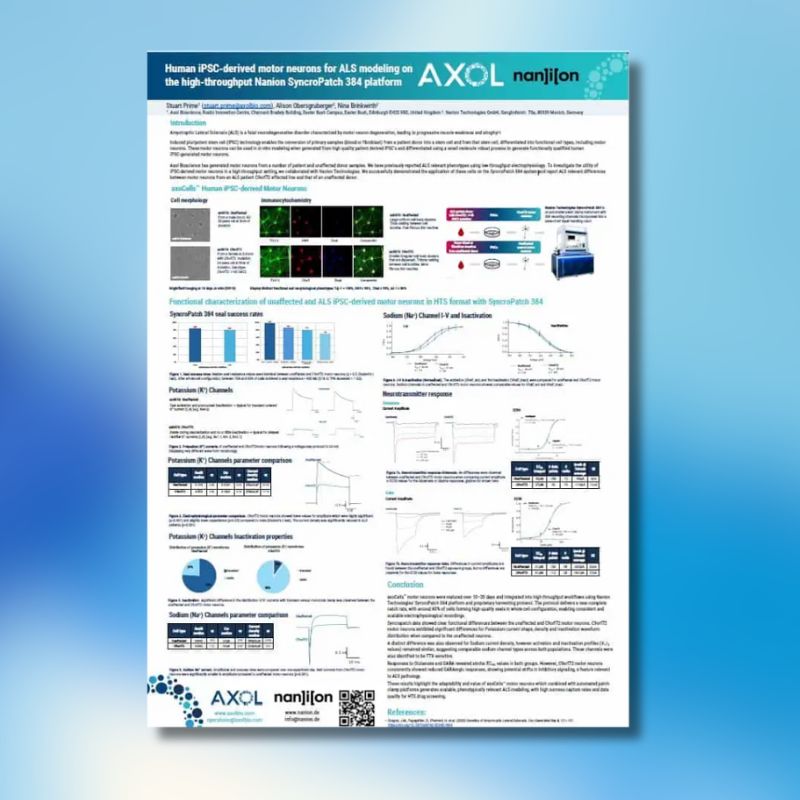
Axol Bioscience has generated motor neurons from a number of patient and unaffected donor samples. We have previously reported ALS...
Axol Bioscience provides a complete solution for Huntington’s disease research, offering iPSC-derived striatal neurons derived from patient and control iPSC...
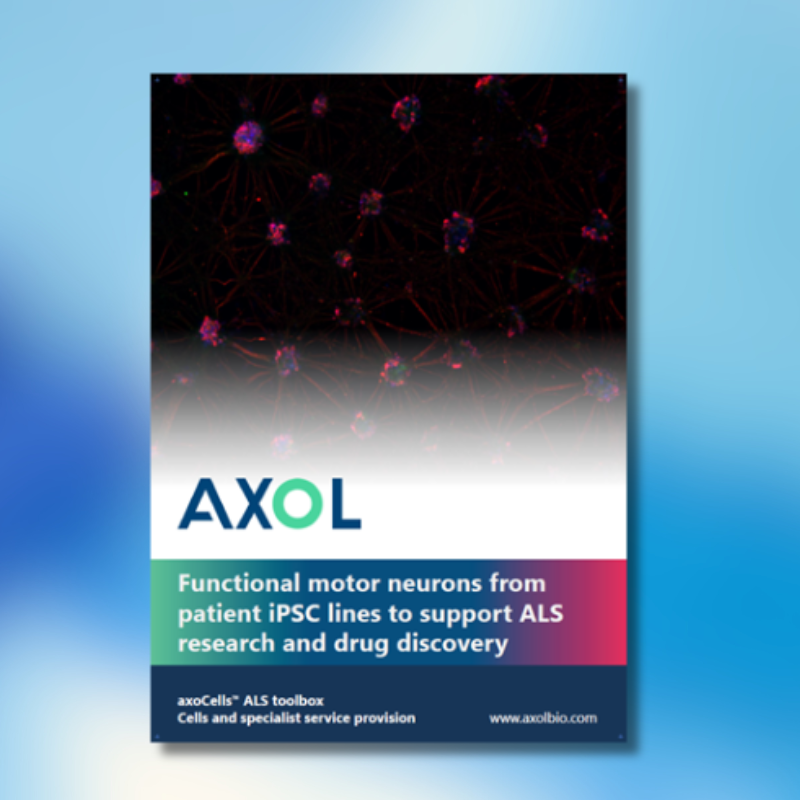
Axol Bioscience’s axoCells™ ALS Toolbox features iPSC-derived motor neurons from ALS patients and controls. This resource enables high-throughput, human-relevant in...
Axol Bioscience’s iPSC-derived striatal neurons model Huntington’s disease with CAG repeat instability and early-onset phenotypes. This study, we outline the...
MyoMax™ Maturation Media enhances the maturity of human iPSC-derived cardiomyocytes, improving morphology, electrophysiology, and metabolic function for more predictive in...
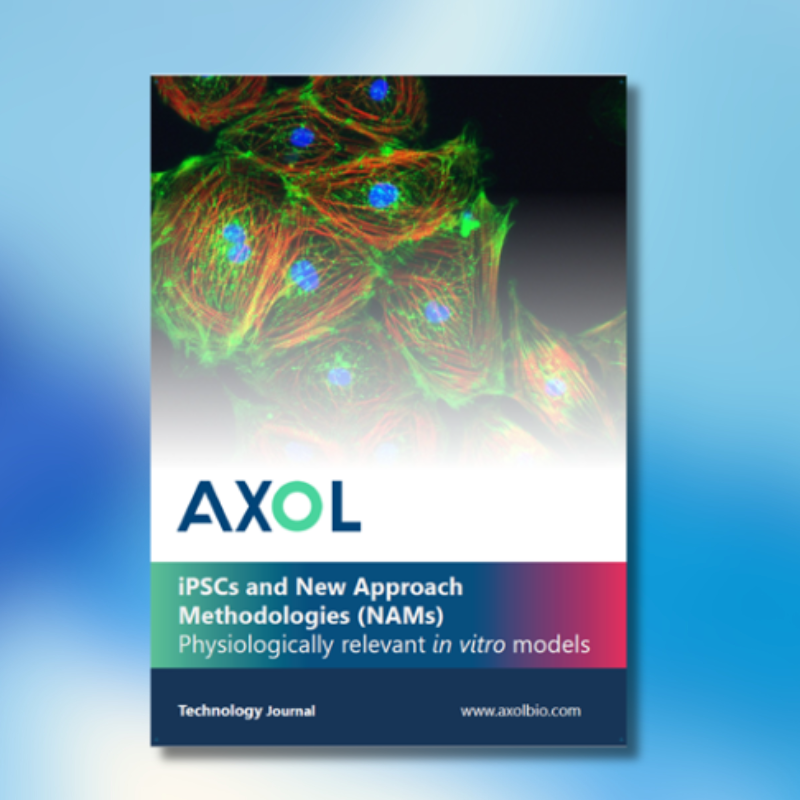
Explore Axol Bioscience’s 2025 Technology Journal showcasing how human iPSC-derived cells power advanced microphysiological systems (MPS) for drug discovery. Featuring...
Our new ebook outlines key in vitro systems for retinal disease modeling and toxicology assessment using human iPSC‑derived cells.
Explore Axol Bioscience’s iPSC-derived skin models for cosmetics and dermatology research. This eBook highlights sebocytes, melanocytes, and sensory neurons for...
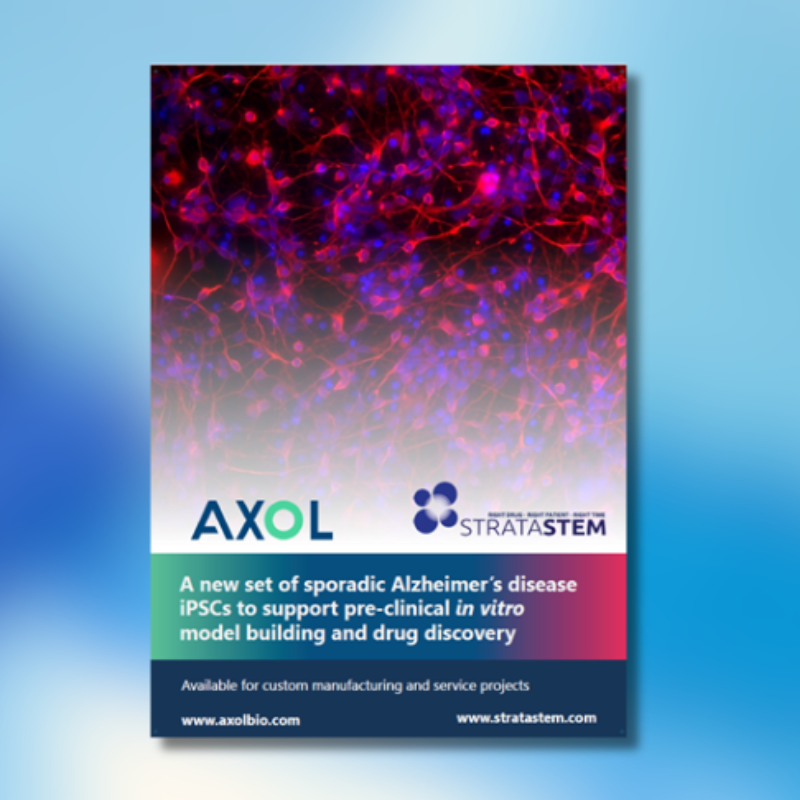
Discover Axol Bioscience’ and StrataStem’s new panel of iPSC lines from sporadic Alzheimer’s Disease (sAD) patients. This resource supports custom...
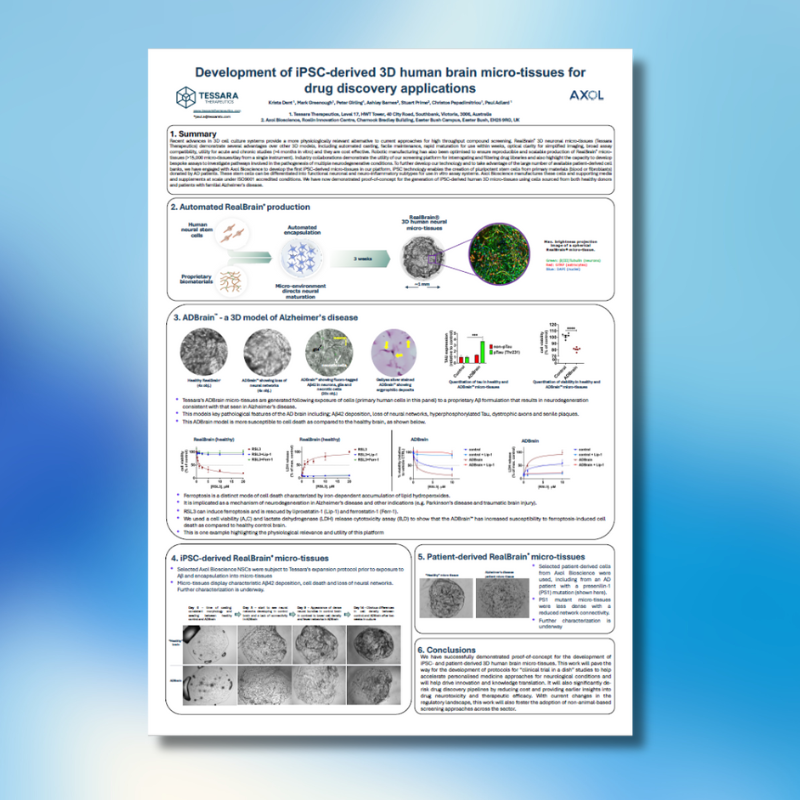
Discover Axol Bioscience’s iPSC-derived neural stem cells powering Tessara Therapeutics’ RealBrain® 3D Alzheimer’s disease organoids. This poster highlights advanced neurodegenerative...
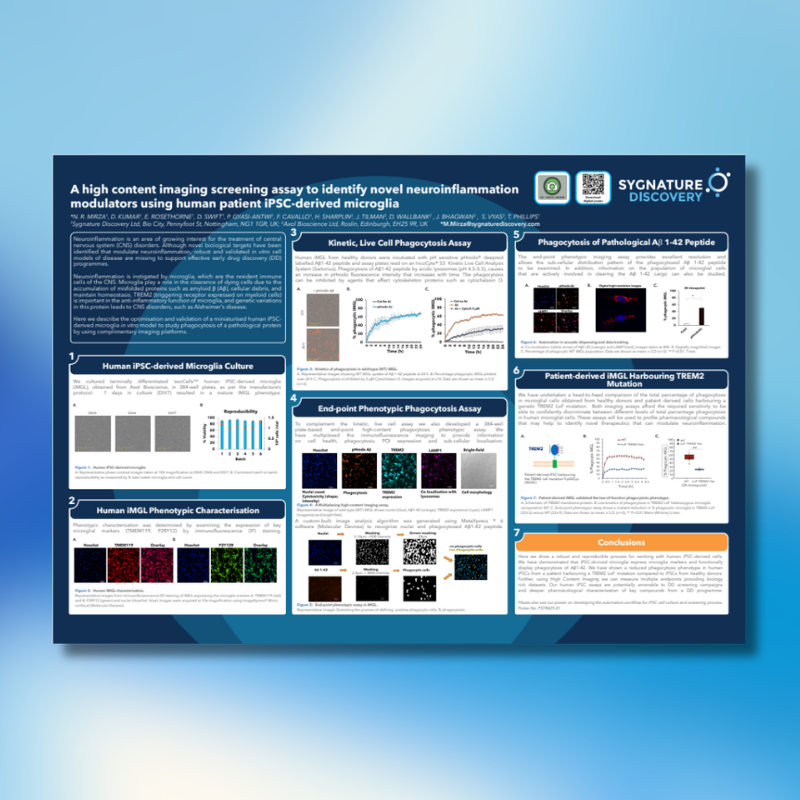
Explore Axol Bioscience’s iPSC-derived microglia used in high-content imaging assays for neuroinflammation research. This poster highlights phagocytosis of Aβ1-42, TREM2...
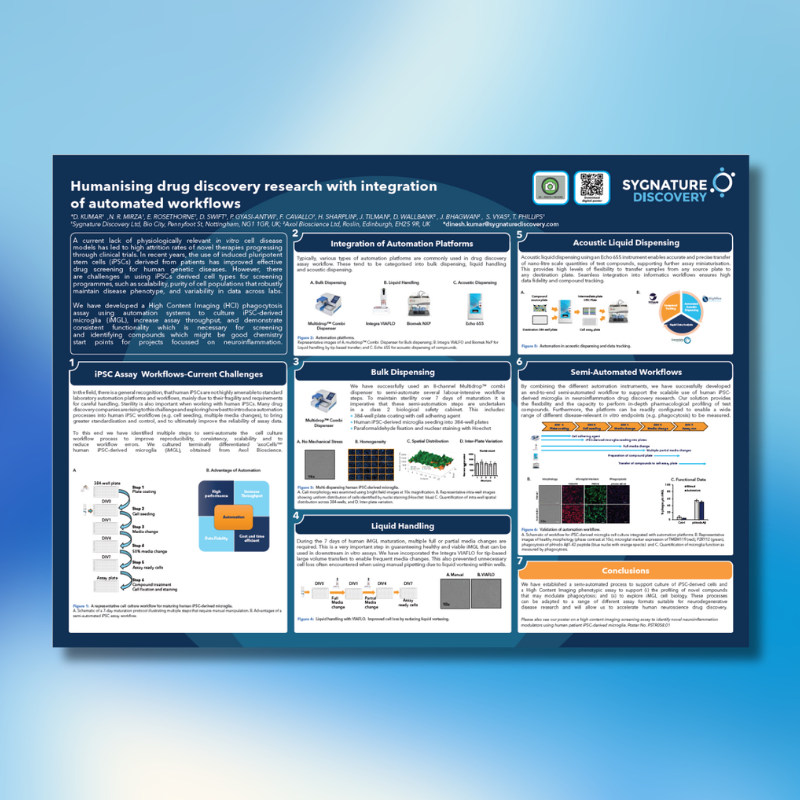
Discover Axol Bioscience’s iPSC-derived microglia integrated into semi-automated workflows for scalable neuroinflammation research. This poster highlights automation platforms, liquid handling,...
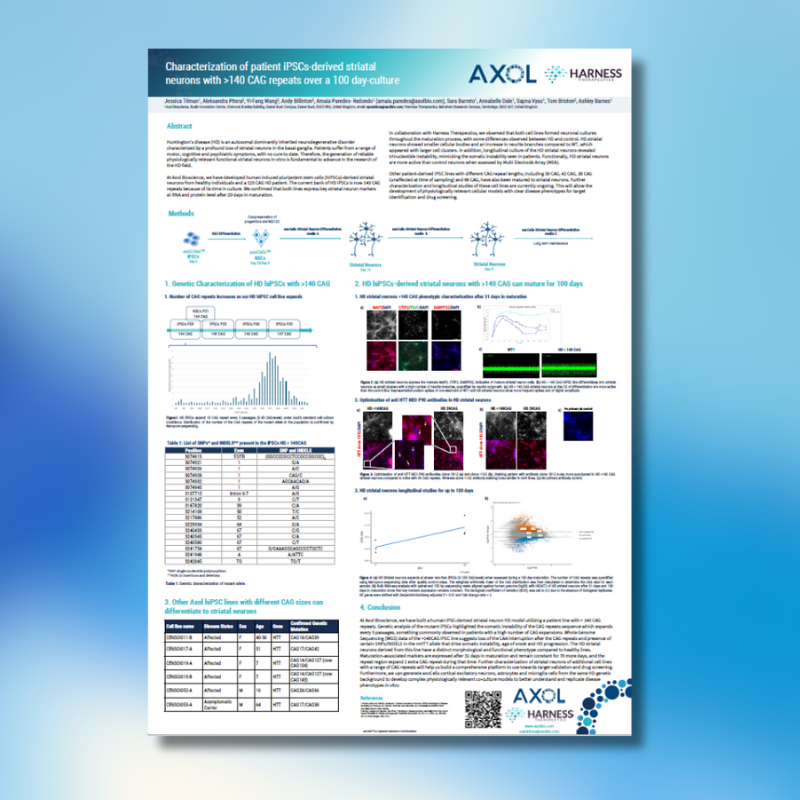
Explore Axol Bioscience’s iPSC-derived striatal neurons from Huntington’s disease patients with >140 CAG repeats. This poster highlights long-term culture, somatic...
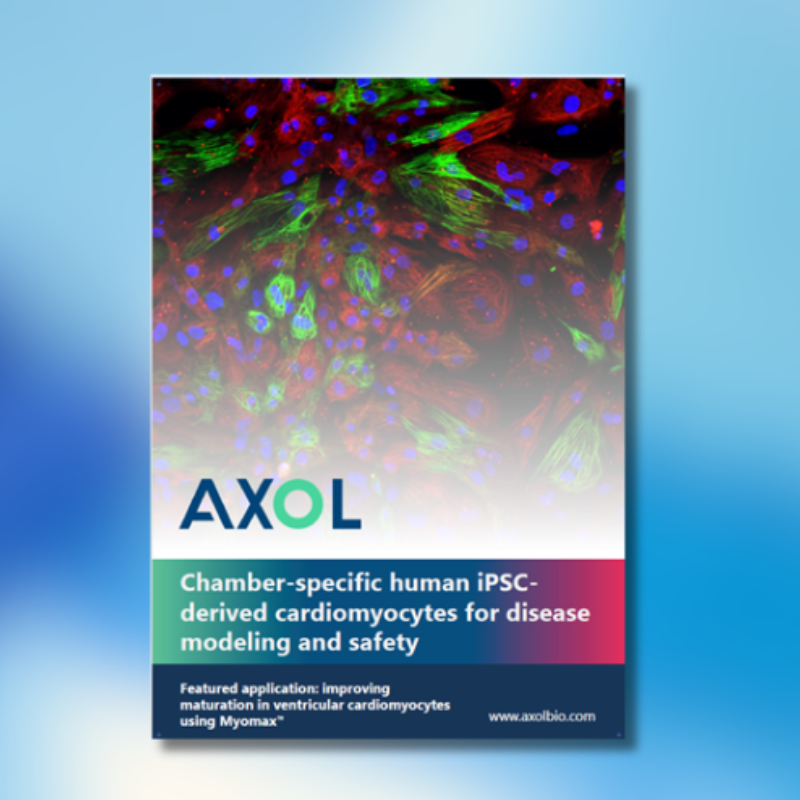
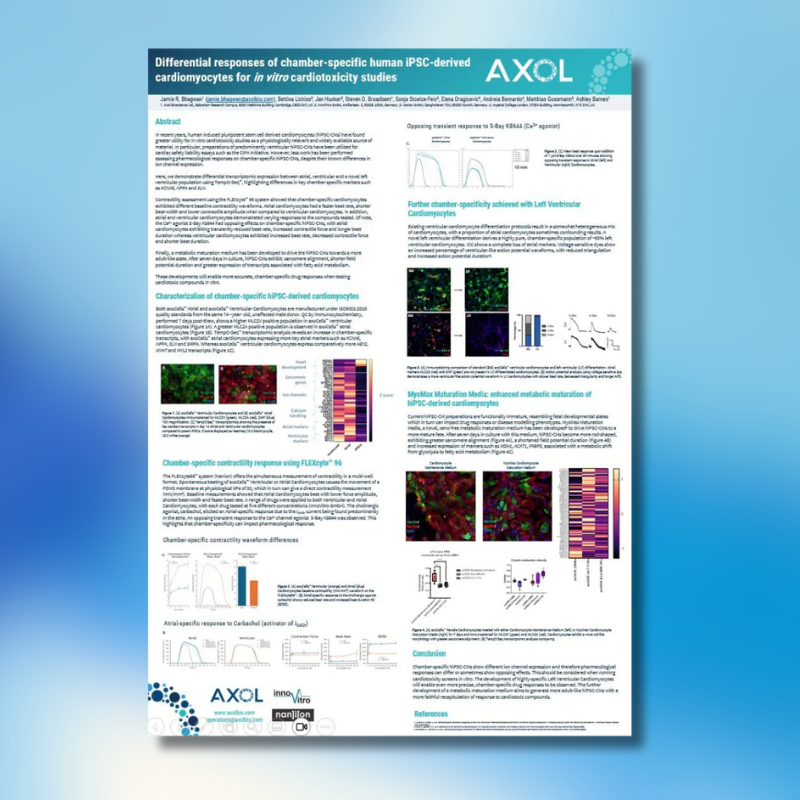
Explore Axol Bioscience’s chamber-specific iPSC-derived cardiomyocytes for cardiotoxicity screening. This poster highlights atrial, ventricular, and left ventricular models, metabolic maturation...
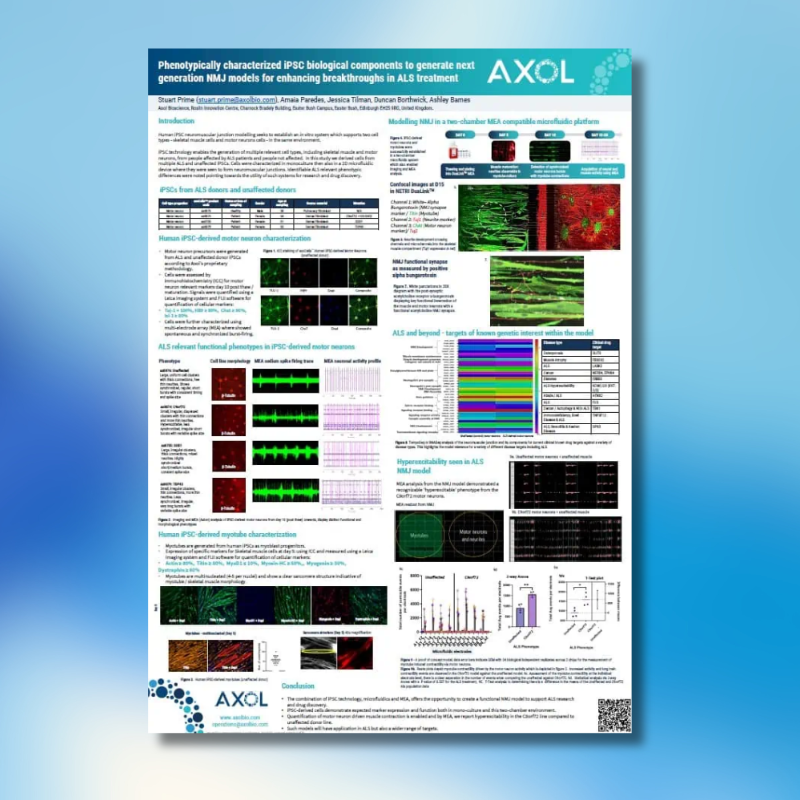
Explore Axol Bioscience’s iPSC-derived neuromuscular junction (NMJ) models for ALS research. This poster highlights motor neurons and skeletal muscle cells...
Explore Axol Bioscience’s ventricular iPSC-derived cardiomyocytes for high-throughput cardiac pharmacology and cardiotoxicity testing. This poster highlights electrophysiological profiling on QPatch...
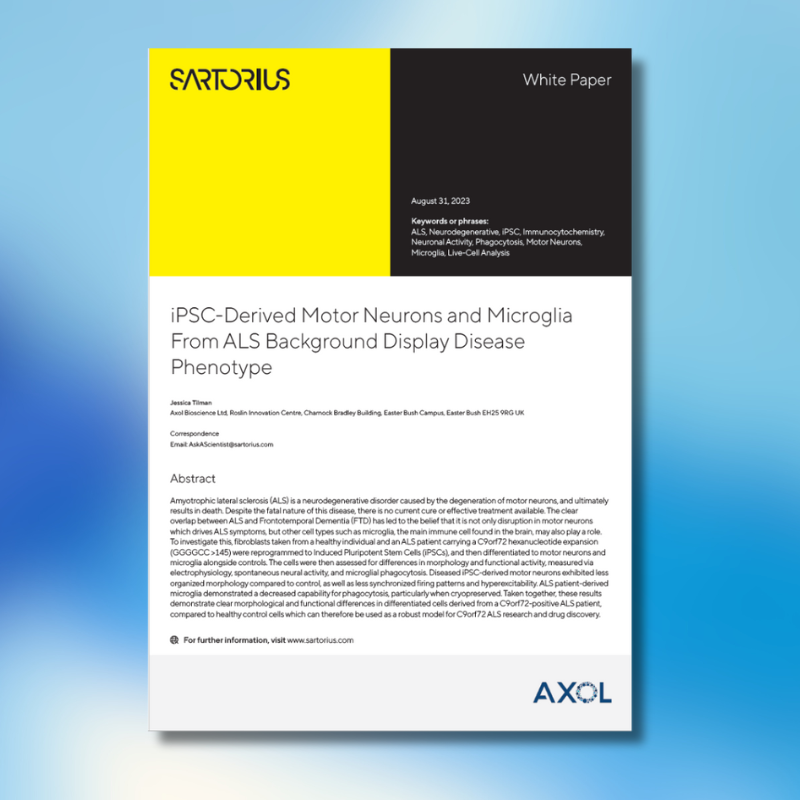
Explore Axol Bioscience’s iPSC-derived motor neurons and microglia from ALS patients for disease modeling and drug discovery. This whitepaper highlights...
Explore Axol Bioscience’s atrial and ventricular iPSC-derived cardiomyocytes analyzed using 3Brain’s HD-MEA CorePlate system. This application note highlights spontaneous beating,...
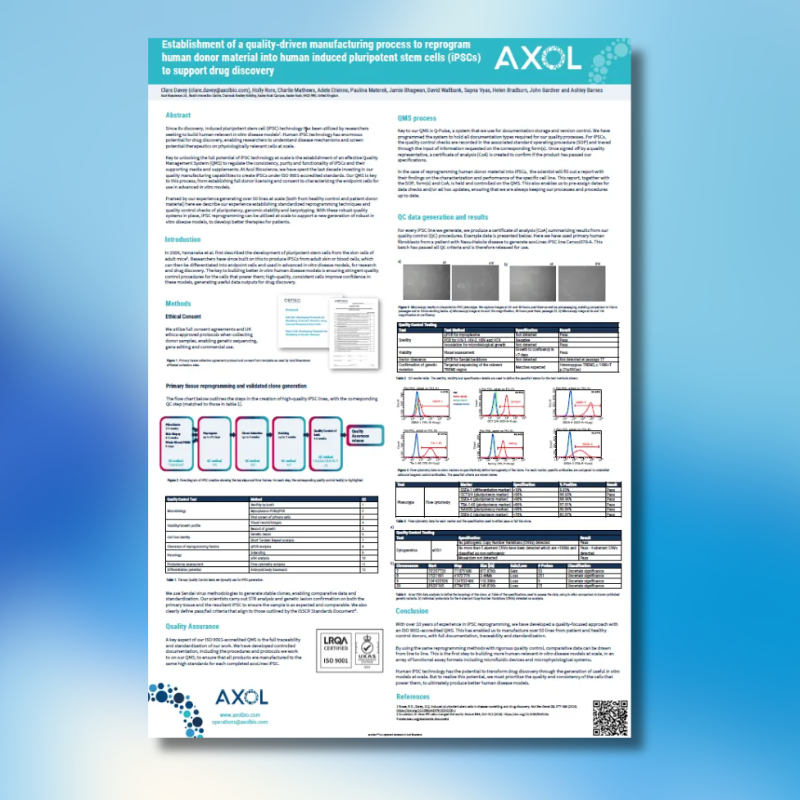
Discover Axol Bioscience’s ISO 9001-accredited process for generating high-quality iPSCs from patient and healthy donors. This poster outlines ethical sourcing,...
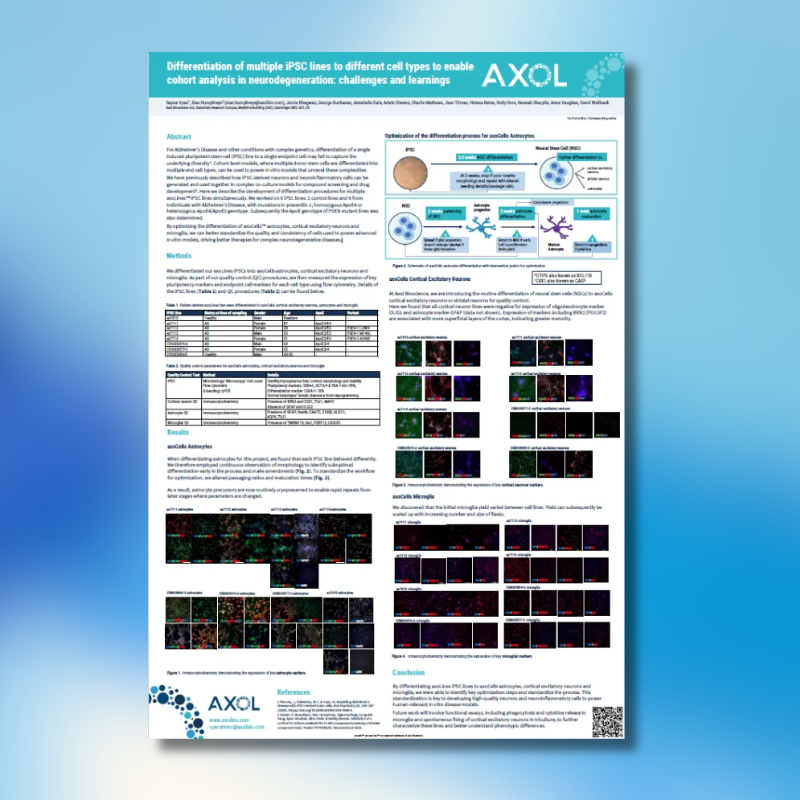
Explore Axol Bioscience’s cohort-level iPSC differentiation strategy for neurodegeneration research. This poster highlights the generation of astrocytes, cortical excitatory neurons,...
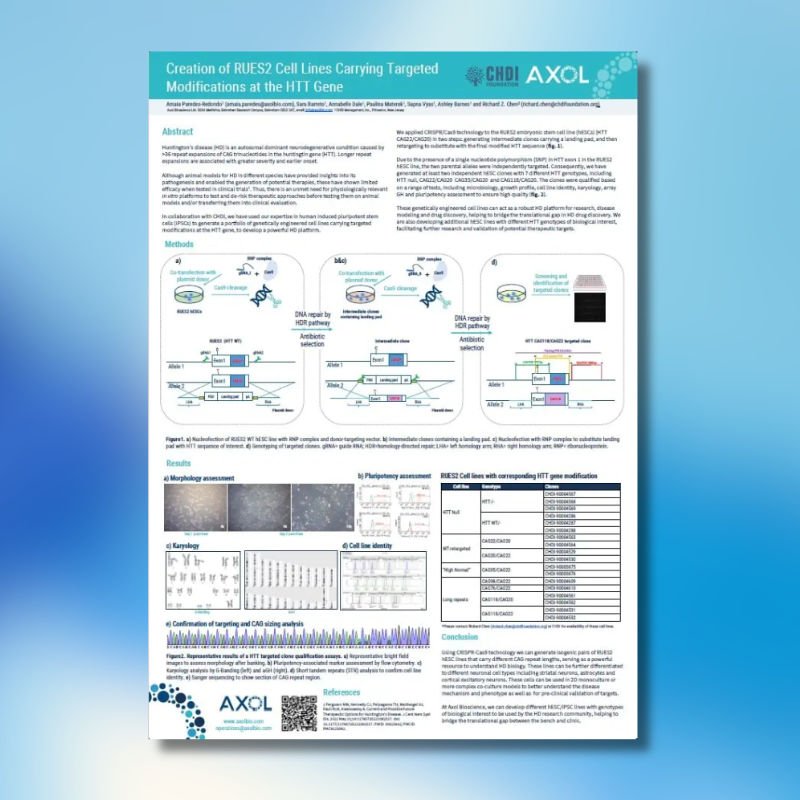
Explore Axol Bioscience’s CRISPR-engineered RUES2 hESC lines with targeted HTT gene modifications for Huntington’s disease research. This poster highlights CAG...
Explore Axol Bioscience’s iPSC-derived striatal neurons from a Huntington’s disease patient with >140 CAG repeats. This poster highlights somatic instability,...
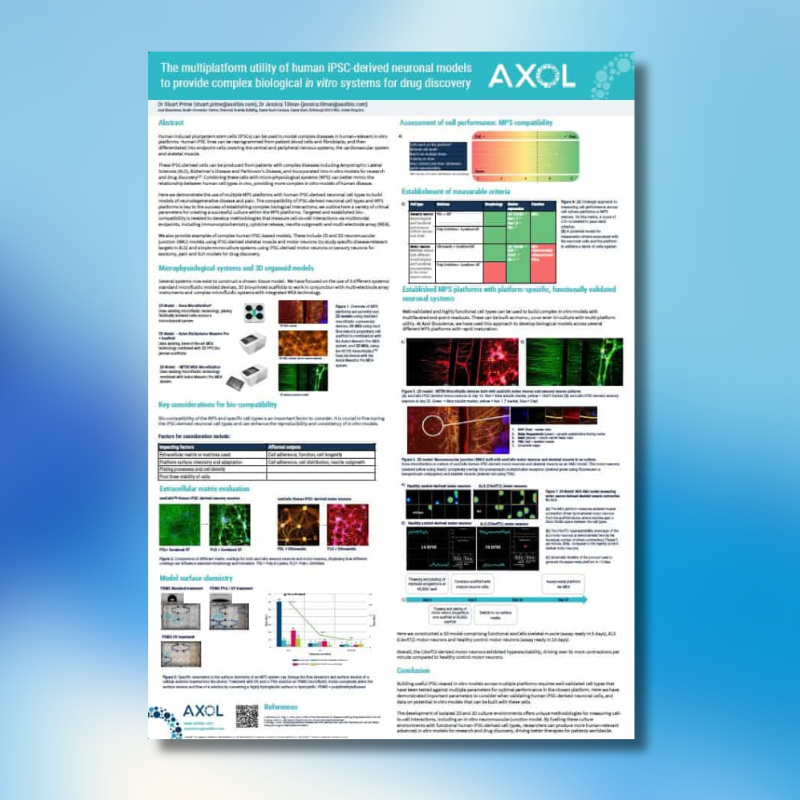
Explore Axol Bioscience’s human iPSC-derived neuronal models across 2D and 3D microphysiological systems (MPS). This poster highlights motor and sensory...
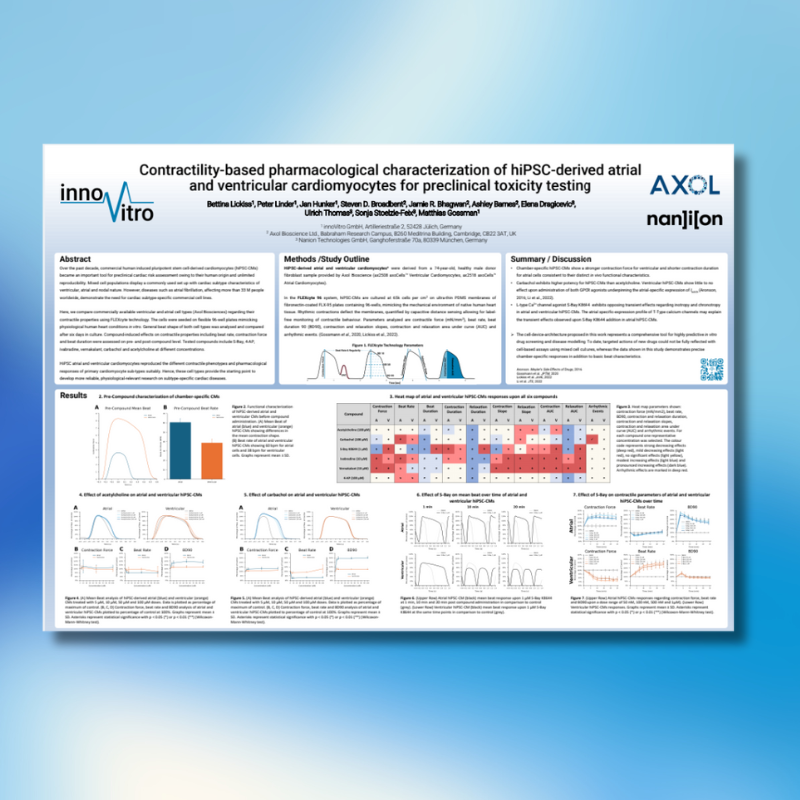
Explore Axol Bioscience’s chamber-specific iPSC-derived cardiomyocytes for contractility-based drug screening. This poster highlights FLEXcyte 96 technology, beat shape analysis, and...
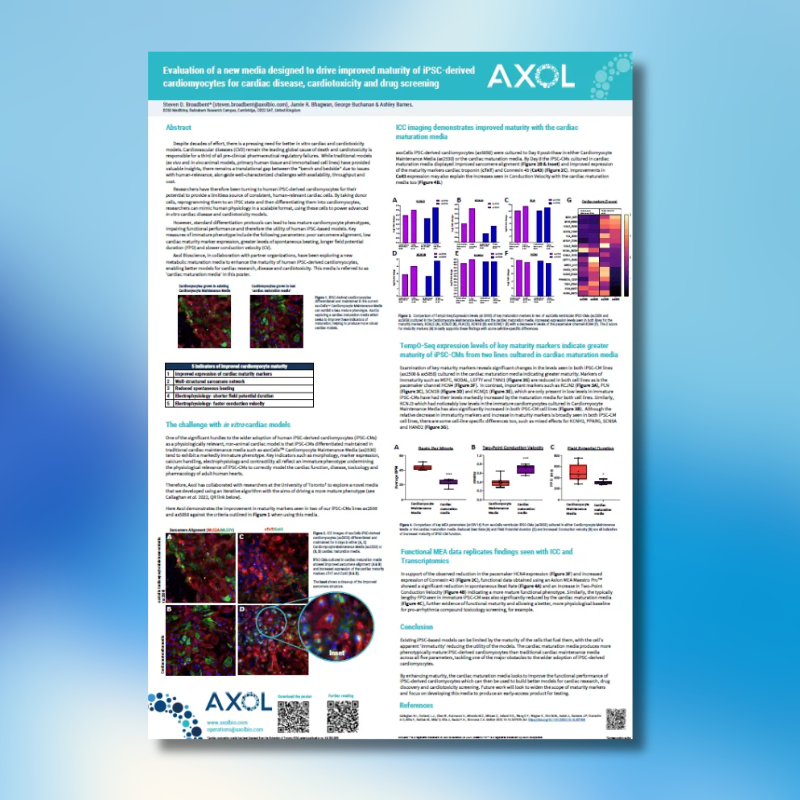
Explore Axol Bioscience’s cardiac maturation media for enhancing the functional maturity of iPSC-derived cardiomyocytes. This poster highlights improvements in sarcomere...
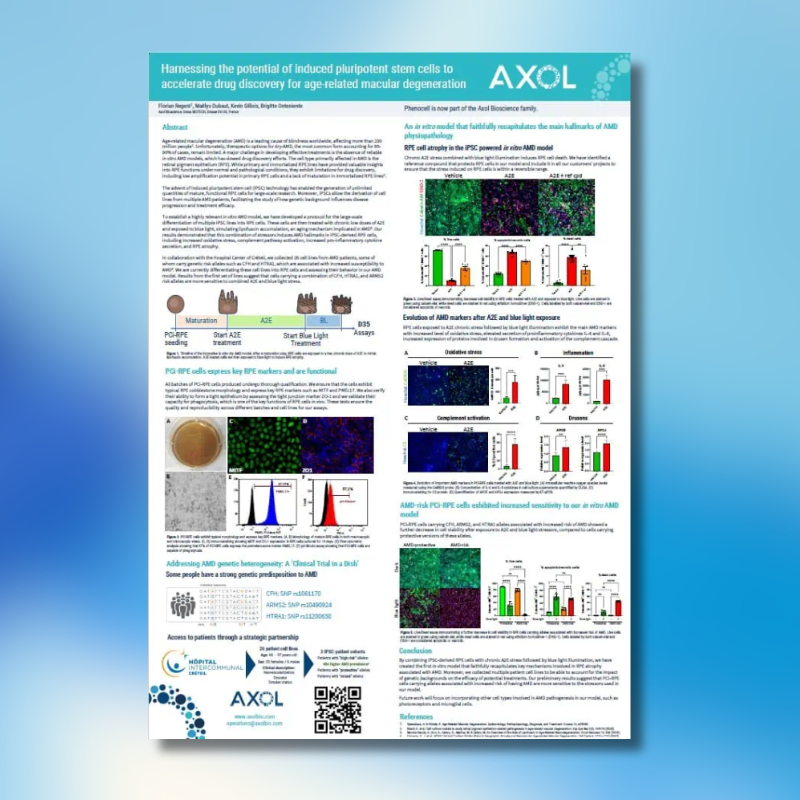
Explore Axol Bioscience’s iPSC-derived RPE model for dry AMD research. This poster highlights A2E and blue light-induced stress, genetic risk...
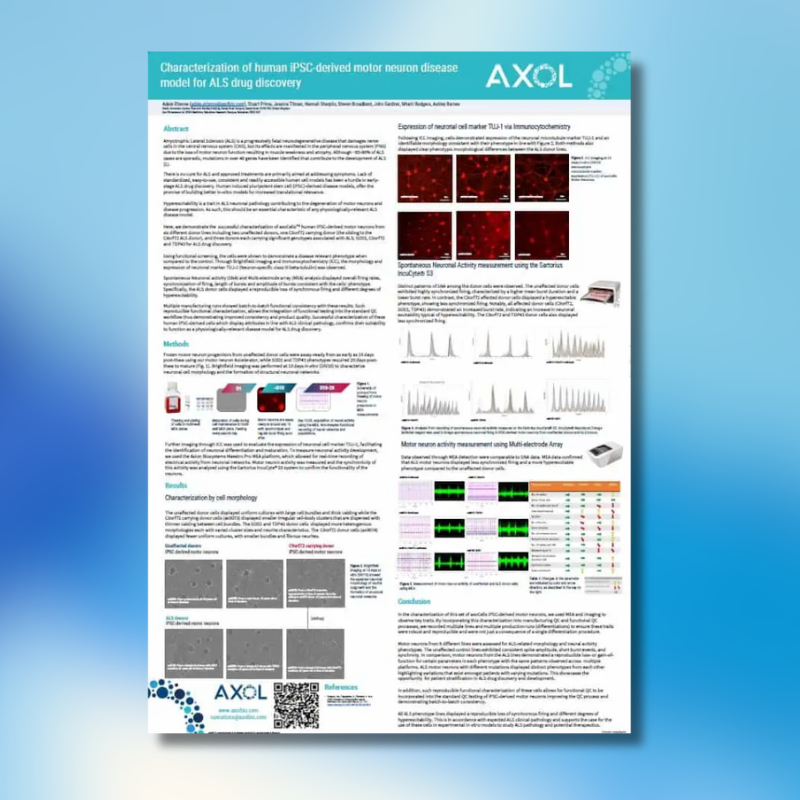
Explore Axol Bioscience’s iPSC-derived motor neuron model for ALS drug discovery. This poster highlights hyperexcitability, loss of synchronous firing, and...
Explore Axol Bioscience’s iPSC-derived motor neuron model for ALS drug discovery. This application note highlights hyperexcitability, mutation-specific phenotypes, and reproducible...
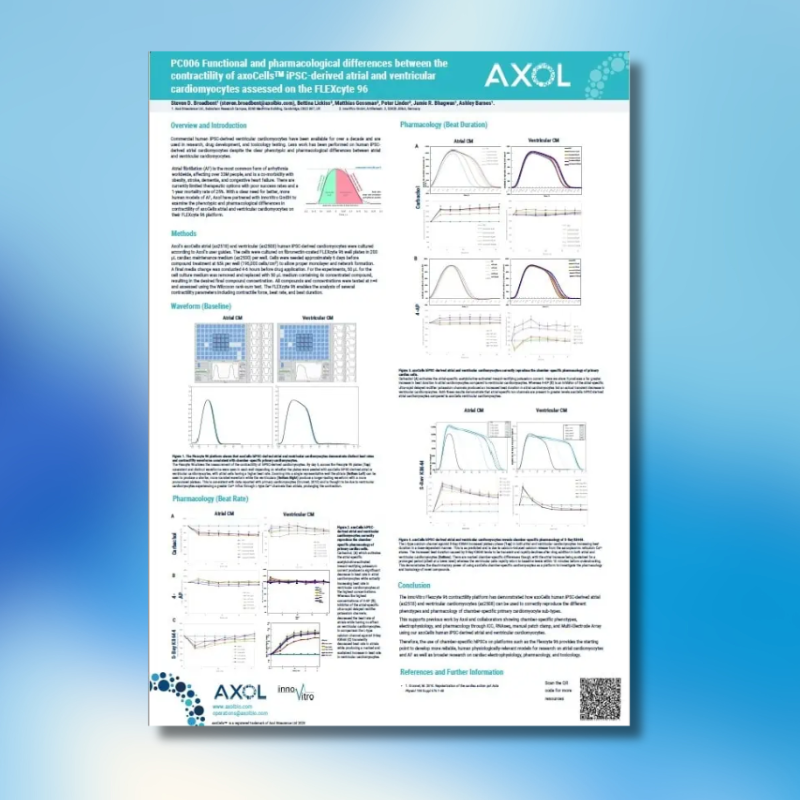
Explore Axol Bioscience’s chamber-specific iPSC-derived cardiomyocytes for contractility-based drug screening. This poster highlights beat rate, waveform shape, and pharmacological responses...
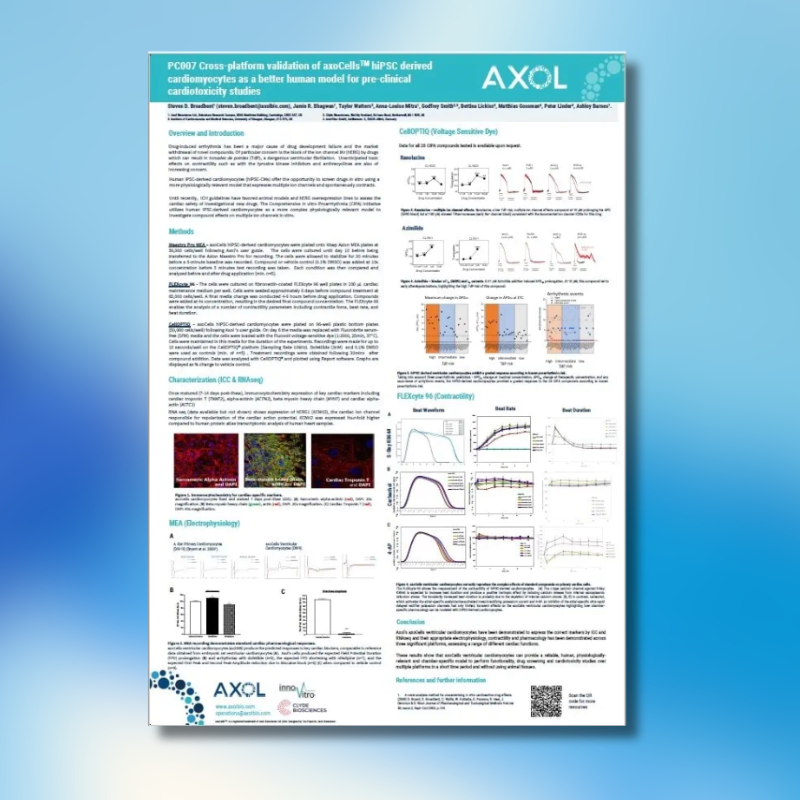
Explore Axol Bioscience’s ventricular iPSC-derived cardiomyocytes validated across MEA, FLEXcyte 96, and CellOPTIQ platforms. This poster highlights chamber-specific pharmacology, marker...
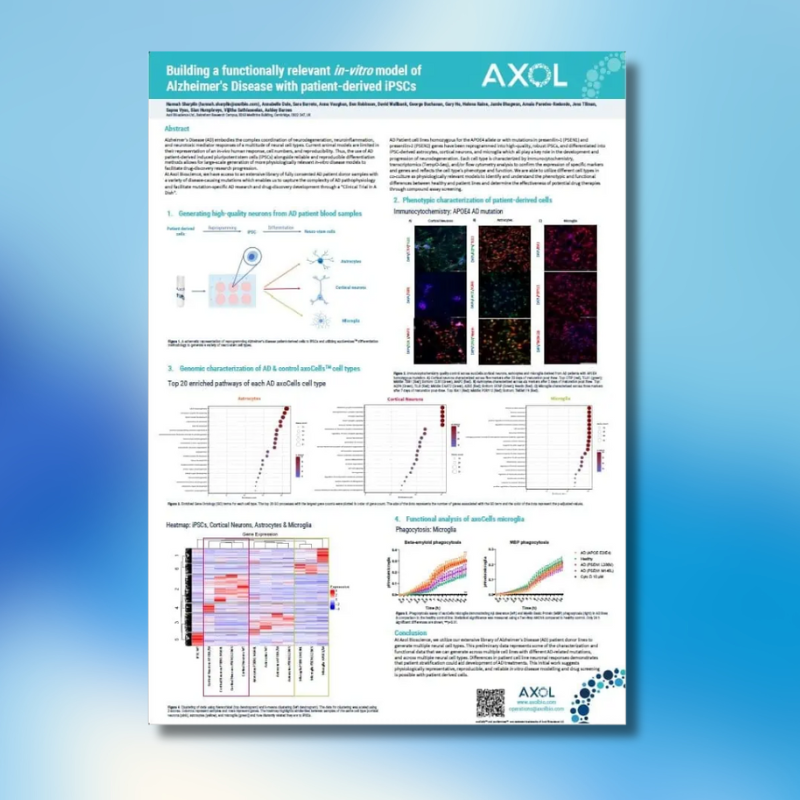
Explore Axol Bioscience’s iPSC-derived Alzheimer’s disease model using patient lines with APOE4 and PSEN1 mutations. This poster highlights differentiation into...
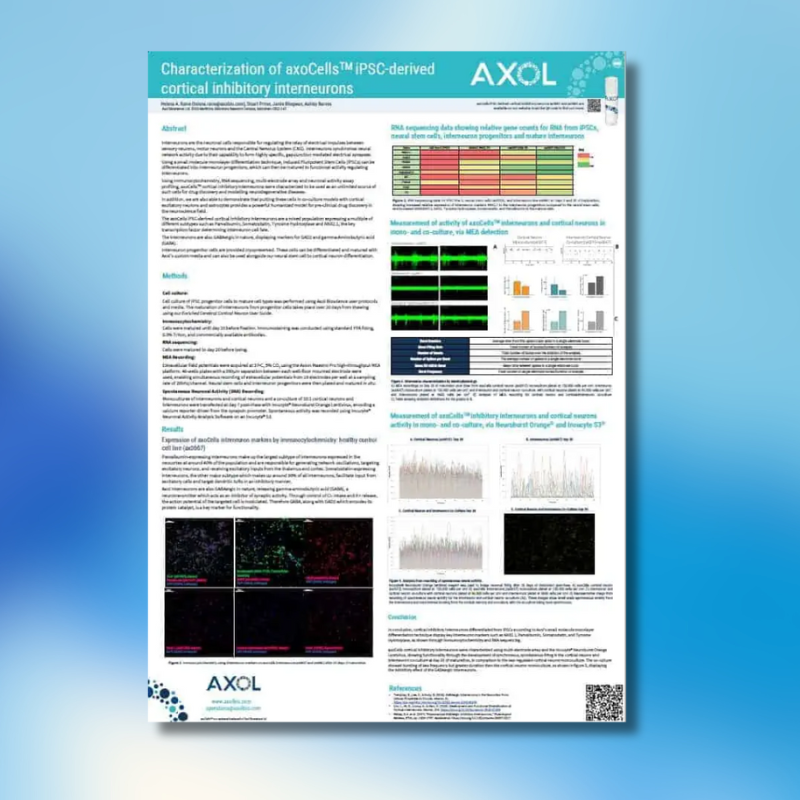
Explore Axol Bioscience’s iPSC-derived cortical inhibitory interneurons for neuroscience research. This poster highlights marker expression, electrophysiological profiling, and co-culture functionality...
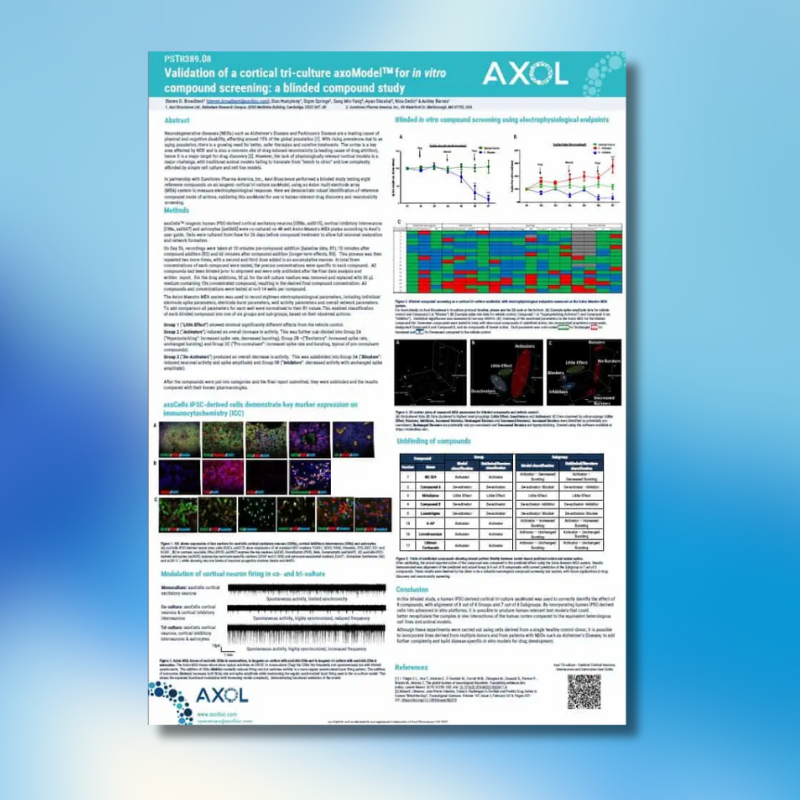
Explore Axol Bioscience’s tri-culture model of cortical neurons, interneurons, and astrocytes for neurotoxicity and drug screening. This poster highlights MEA-based...
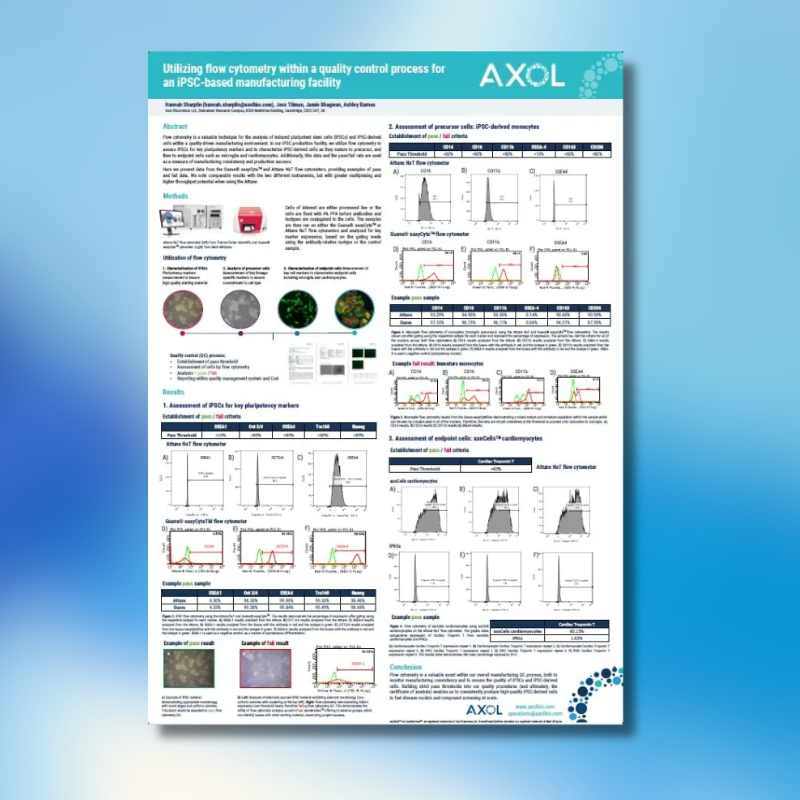
Explore Axol Bioscience’s use of flow cytometry for quality control in iPSC-based manufacturing. This poster highlights marker-based pass/fail thresholds for...
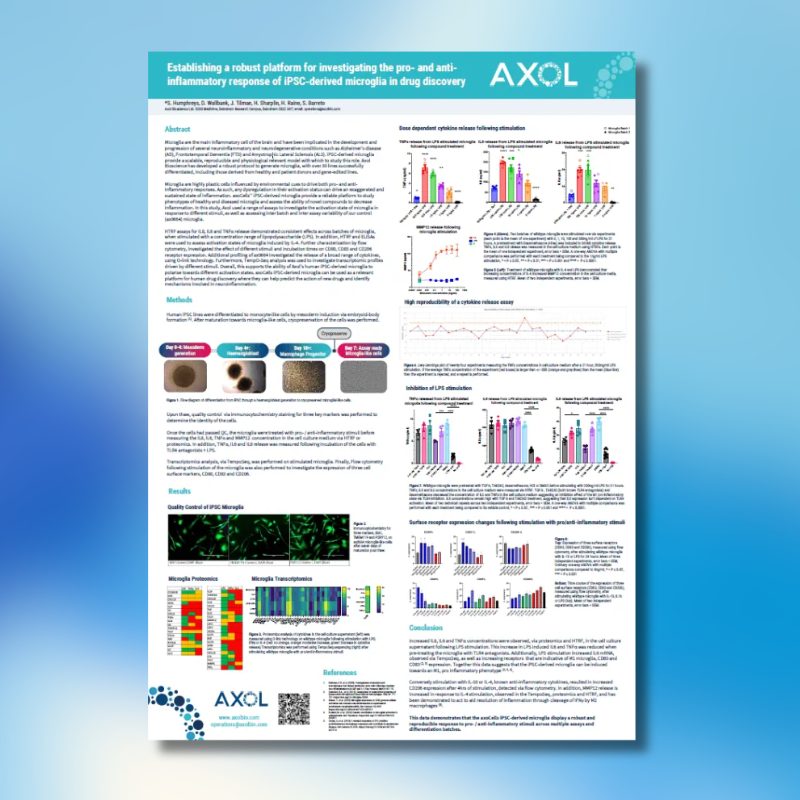
Explore Axol Bioscience’s iPSC-derived microglia platform for neuroinflammation research and drug screening. This study demonstrates reproducible cytokine release, transcriptomic and...
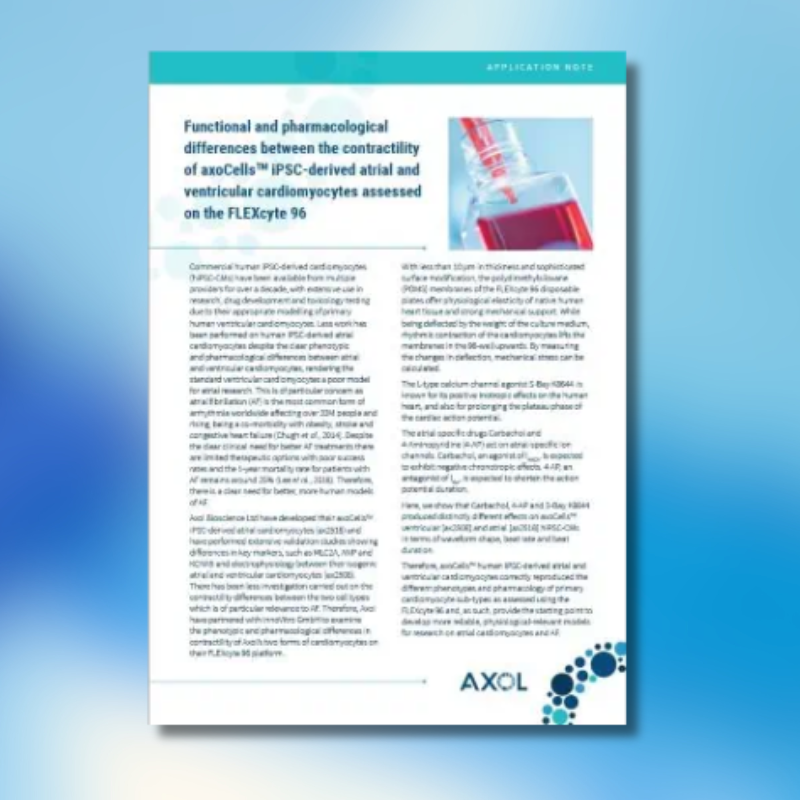
Axol Bioscience’s axoCells™ atrial and ventricular iPSC-derived cardiomyocytes reveal distinct contractility and drug responses on the FLEXcyte 96 platform. This...
Axol Bioscience’s axoCells™ ventricular iPSC-derived cardiomyocytes were externally validated against the CiPA compound panel for cardiotoxicity screening. This study highlights...